Rewards That Reshape Choices: Bonus Systems Guiding Shifts in Casino Gaming and Betting Patterns
Harper Walter · Sep 30, 2026
Rewards That Reshape Choices: Bonus Systems Guiding Shifts in Casino Gaming and Betting Patterns
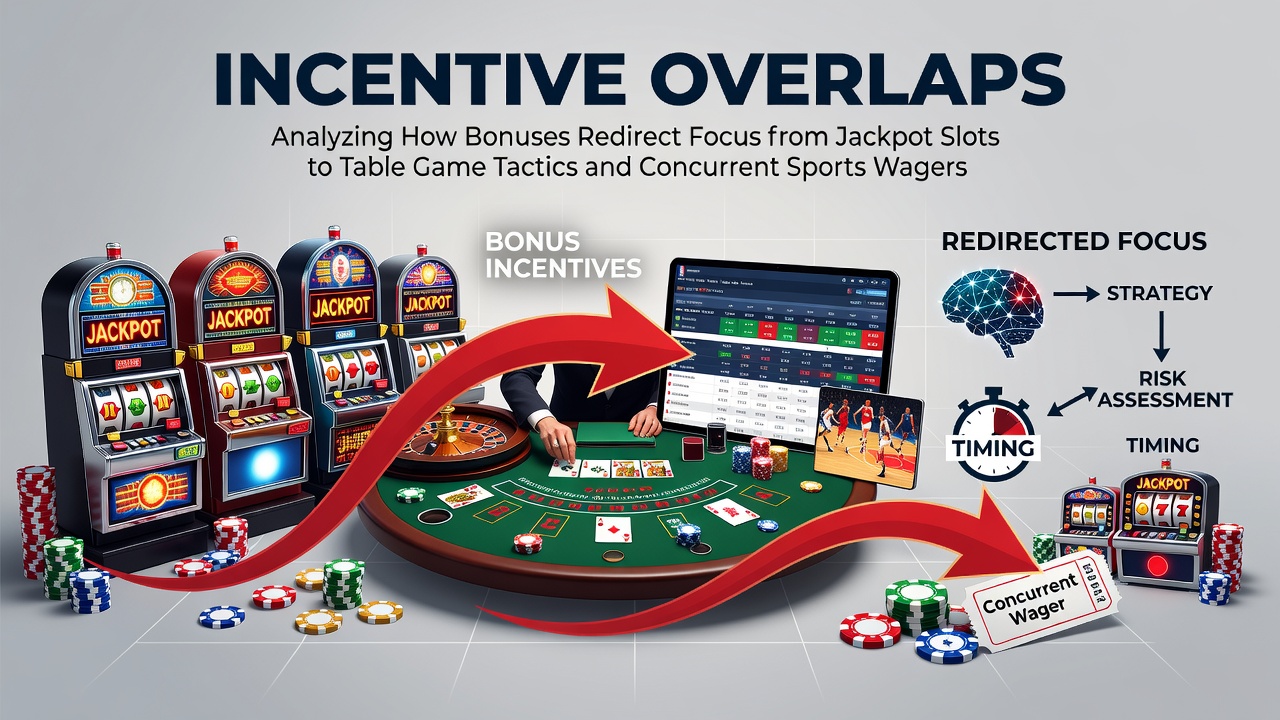
Bonus structures in integrated gaming environments have created measurable overlaps that pull participants away from progressive jackpot slots toward table game strategies and simultaneous sports wagers, according to multiple industry analyses released through 2026. Data collected across regulated markets shows that tiered reward programs often assign higher point multipliers to live dealer sessions and in-play betting than to single-spin reel play, which redirects session time and bankroll allocation in documented patterns. Those who track player behavior note that a typical loyalty matrix might award 1.5 times the base points for blackjack hands or football prop bets compared with slot spins, and this differential appears consistently in reports from operators in North America and Australia.
Mechanics of Point Allocation and Game Migration
Operators structure bonuses so that welcome packages, daily login rewards, and milestone challenges favor activities requiring sustained engagement over quick reel cycles, and this design choice shows up in participation logs from several jurisdictions. A player who deposits funds in September 2026 might receive a match bonus that unlocks additional free play only after completing a set number of table game rounds or placing concurrent wagers on an ongoing athletic event. Figures from the Nevada Gaming Control Board indicate that table game drop percentages rose in properties where such crossover incentives were active, while slot handle growth slowed relative to prior quarters. The same data sets reveal that sports betting kiosks located near pit areas recorded higher transaction volumes during major league seasons when bonus terms explicitly referenced combined play.
Statistical Patterns Across Game Categories
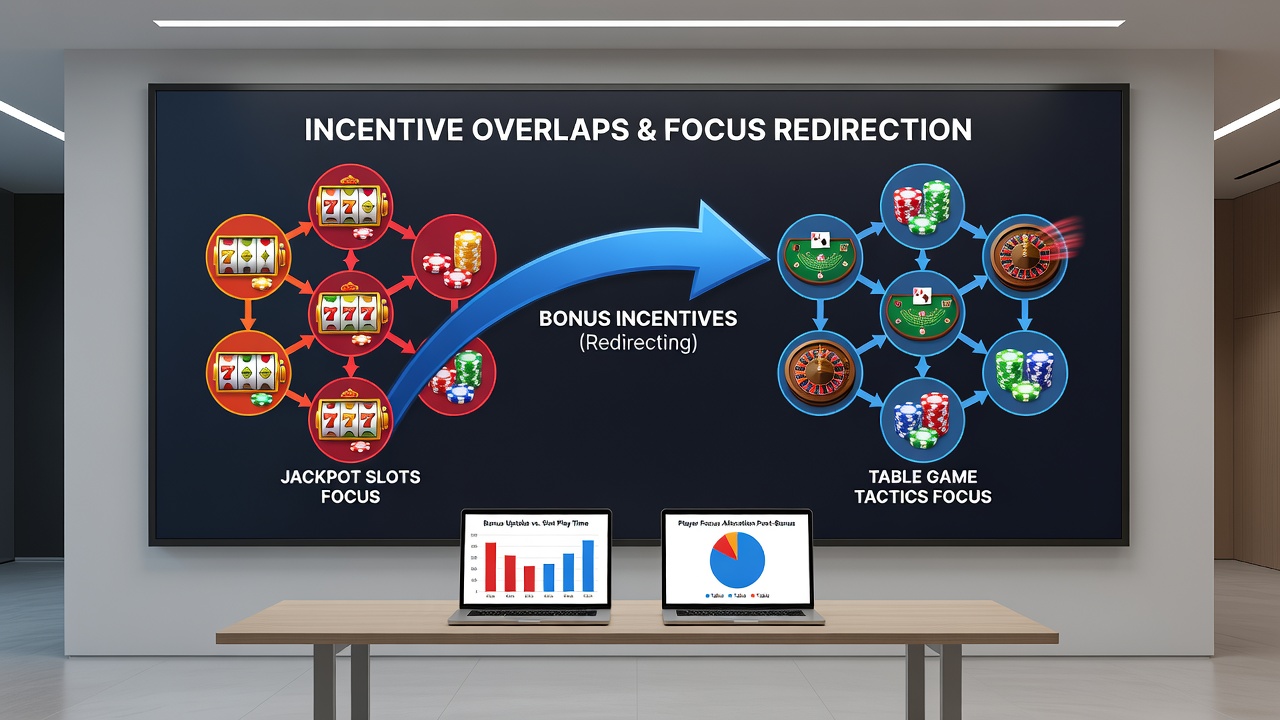
Research compiled by academic groups and regulatory bodies documents correlations between bonus redemption rates and shifts in game selection, with one Australian university study tracking over 12,000 accounts across a six-month window. Participants who qualified for multi-game promotions spent an average of 28 percent more time at tables and 19 percent more time on sportsbooks than those limited to slot-only offers. Volatility metrics in reel games did not directly predict these moves, but the presence of concurrent athletic calendars did align with increased crossover activity. Observers note that live casino streams and in-play betting interfaces often share the same promotional overlays, which reduces friction when players alternate between hand decisions and event lines during the same session.
Regional Regulatory Context and Reporting
Canadian provincial regulators and European gaming authorities have published parallel findings that mirror North American trends, with bonus structures cited as a primary variable in cross-category movement. The National Council on Problem Gambling has referenced these overlaps in its annual summaries, noting that reward layering can extend session length without necessarily increasing total wager amounts. In markets where daily fantasy and traditional sportsbooks operate alongside casinos, the same accounts frequently appear in both table game and event betting logs when promotions require sequential completion steps. Data released in September 2026 by the Pennsylvania Gaming Control Board showed a 7 percent quarter-over-quarter increase in table game revenue at properties that had recently expanded their sports wagering integration and loyalty tiers.
Implementation Examples from Operating Markets
One large operator in the Midwest introduced a promotion that granted bonus cash only after players completed a circuit of five table hands followed by an in-play bet on a listed game, and internal metrics indicated a measurable drop in isolated jackpot slot sessions. Similar programs in Atlantic City properties linked progressive jackpot eligibility to minimum table game activity, which produced documented increases in pit traffic during evening hours. Those who analyze transaction streams report that the average wager size on sportsbooks rose when paired with table game bonuses, while standalone slot volume remained flat or declined slightly. The pattern holds across both land-based and online platforms that share unified player accounts.
Conclusion
Bonus architectures continue to function as steering mechanisms that redistribute attention across jackpot slots, table game tactics, and concurrent sports wagers, with quantitative records from multiple regulators confirming these directional effects. The design elements that produce the strongest shifts involve point multipliers, sequential completion requirements, and shared interfaces that lower the barrier between categories. As operators refine these systems through 2026 and beyond, the documented migration patterns provide a clear record of how incentive overlaps operate in practice.